
Home security begins with understanding the basics of locksmith safety and knowing how to protect your property effectively. Whether you're a new homeowner in Suffolk, VA, or have lived here for years, staying informed about locksmith best practices can mean the difference between a secure home and a vulnerable one. From choosing reputable locksmith services to maintaining your locks properly, these essential tips will help you make informed decisions about your home's security. At Suffolk VA Locksmith, we've served the community at 8056 Clubhouse Dr and throughout Suffolk for years, and we're committed to helping homeowners protect what matters most.
Understanding Your Home's Lock System
Before you can properly secure your home, you need to understand the various types of locks protecting your property. Most homes in Suffolk feature a combination of different lock systems, each serving a specific purpose and offering varying levels of security.
The most common residential lock is the deadbolt, which provides superior security compared to standard door knob locks. Deadbolts come in single-cylinder and double-cylinder varieties. Single-cylinder deadbolts use a key on the outside and a thumb turn on the inside, while double-cylinder deadbolts require a key on both sides. While double-cylinder deadbolts offer enhanced security against break-ins through glass doors, they can pose safety concerns during emergencies if keys aren't readily accessible.
Knob locks are standard on most doors but should never be used as your primary security measure. These locks are easily defeated by intruders and should always be paired with a deadbolt for adequate protection. Smart locks have gained popularity in recent years, offering keyless entry through codes, smartphone apps, or biometric scanners. While convenient, these systems require proper installation and regular software updates to maintain security.
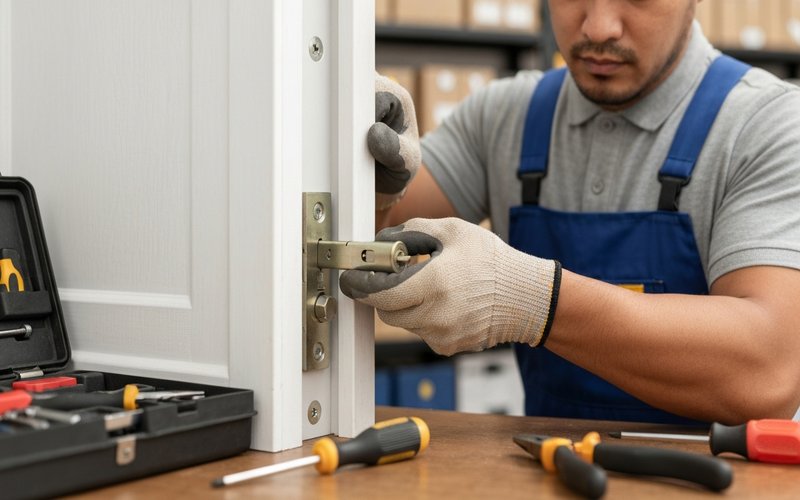
Lever handle locks are common on interior doors and some exterior doors, particularly in commercial settings. They're easier to operate than knob locks, making them ADA-compliant, but they offer less security for exterior applications. Understanding which locks protect which entry points in your home helps you identify potential vulnerabilities and make informed upgrade decisions.
Choosing a Reputable Locksmith in Suffolk
One of the most critical safety tips for homeowners is knowing how to select a trustworthy locksmith before an emergency occurs. The locksmith industry, unfortunately, has its share of fraudulent operators who take advantage of desperate homeowners locked out of their properties.
Start by researching local locksmiths before you need one. Look for established businesses with physical addresses in Suffolk, VA, like Suffolk VA Locksmith at 8056 Clubhouse Dr. Legitimate locksmiths maintain actual storefronts and service locations rather than operating solely from unmarked vans or using only P.O. boxes.
Check for proper licensing and insurance. While Virginia doesn't require state-level locksmith licensing, reputable locksmiths carry liability insurance and workers' compensation coverage. Don't hesitate to ask for proof of insurance before allowing work to begin on your property.
Read online reviews and testimonials from multiple sources. Check Google, Yelp, Facebook, and the Better Business Bureau for patterns in customer feedback. A few negative reviews among many positive ones are normal, but be wary of businesses with consistently poor ratings or no online presence at all.
Verify their contact information and ask questions upfront. Legitimate locksmiths will provide clear pricing estimates over the phone, explain their identification process, and answer questions about their experience and services. If a locksmith refuses to provide a company name, seems evasive about pricing, or can't give you a specific arrival time, consider it a red flag.
Ask for identification when the locksmith arrives. Professional locksmiths should arrive in marked vehicles, wear uniforms or identification badges, and present business cards. They should also be willing to show you their credentials before beginning work.
How to Check if a Locksmith is Legit
Knowing how to verify a locksmith's legitimacy can save you from costly scams and potential security breaches. Several warning signs can help you identify fraudulent locksmiths before they compromise your home's security.
First, be cautious of unusually low quotes. While everyone wants a good deal, prices that seem too good to be true often are. Scam locksmiths frequently quote low prices over the phone, then dramatically increase costs once they arrive, sometimes charging hundreds or even thousands of dollars for simple services.
Legitimate locksmiths can usually provide price ranges over the phone for common services. For example, standard lockout services in Suffolk typically range from $75 to $150 during regular business hours, with emergency after-hours services costing more. If someone quotes you $15 for a lockout service, that's an immediate red flag.
Watch for bait-and-switch tactics. Scammers often claim that locks must be drilled out and replaced, even when they could be picked or bypassed without damage. While some situations genuinely require lock replacement, a skilled locksmith should be able to open most residential locks without destruction. If a locksmith immediately insists on drilling out your lock without attempting other methods, question their expertise.
Verify their business location. Call the number listed on their website or advertisement and see if it matches the number that calls you back. Scam operations often use call centers that redirect to various contractors. A legitimate business like Suffolk VA Locksmith maintains consistent contact information and can verify their physical location at 8056 Clubhouse Dr, Suffolk, VA 23433.
Check if they ask for identification. Professional locksmiths should verify that you own or have authorization to access the property before providing service. If a locksmith is willing to unlock a door without any proof of ownership or residency, they're either unprofessional or fraudulent.
Understanding Locksmith Pricing and Service Charges
Transparency in pricing is a hallmark of reputable locksmith services. Understanding typical costs helps you identify fair pricing and avoid overcharges during stressful situations.
Lockout services generally range from $75 to $150 for straightforward residential lockouts during regular business hours. This typically includes the service call, labor to unlock the door, and any basic tools required. Emergency services, defined as those provided outside normal business hours (evenings, weekends, holidays), usually cost 1.5 to 2 times the regular rate, typically $100 to $250.
Several factors affect lockout pricing. The complexity of your lock system plays a significant role—high-security locks or commercial-grade systems require specialized tools and expertise, increasing costs. Time of day matters significantly, with emergency after-hours services commanding premium rates to compensate technicians for availability outside standard schedules. Your location within Suffolk can also affect pricing, as service calls to more distant areas may include additional travel fees.
Rekeying locks typically costs $20 to $30 per lock cylinder after the initial service call fee. This is generally more cost-effective than replacing entire lock sets if your existing hardware is in good condition. Lock installation services vary based on the type of lock, ranging from $100 to $300 for standard residential deadbolts and significantly more for high-security or smart lock systems.
Key duplication is usually the most affordable service, costing $2 to $6 for standard house keys. However, high-security keys with restricted keyways or specialty automotive keys can cost $50 to $200 or more due to specialized equipment and blanks required.
Beware of locksmiths who can't provide clear pricing information or refuse to give estimates. While final costs may vary based on unforeseen complications, reputable locksmiths should explain their pricing structure upfront and inform you of any additional charges before proceeding with work.
Key Control and Management Best Practices
Proper key control is fundamental to home security. Even the most sophisticated locks provide little protection if keys aren't managed carefully. Implementing smart key management practices significantly reduces your vulnerability to unauthorized access.
Limit the number of keys in circulation. Every key you distribute represents a potential security risk. Maintain a record of who has keys to your home, including family members, house sitters, pet sitters, and service providers. When someone no longer requires access, collect their keys promptly.
Never label keys with identifying information. Avoid attaching tags or labels with your address or name to your keys. If lost or stolen, labeled keys provide criminals with both access and directions to your property. Instead, use a coded system that only you understand.
Consider implementing a restricted keyway system for your home. These high-security key systems can only be duplicated by authorized dealers, preventing unauthorized key copying. While more expensive initially, restricted keyways provide superior key control and long-term security.
Rekey your locks when moving into a new home. Previous owners, their friends, family, contractors, and service providers may have had keys you don't know about. Rekeying ensures that only your designated keyholders have access. This service is relatively inexpensive and provides immediate peace of mind.
Establish a secure key storage system for spare keys. Avoid obvious hiding spots like under doormats, above door frames, or in fake rocks near your entrance. These locations are the first places burglars check. Instead, consider leaving a spare key with a trusted neighbor or investing in a high-security key lockbox mounted in a discreet location.
For families with children, teach appropriate key handling from an early age. Children should understand the importance of keeping keys secure, not loaning them to friends, and reporting lost keys immediately. Consider providing children with keys on breakaway lanyards that reduce the chance of loss.
Recognizing and Avoiding Locksmith Scams
Locksmith scams have become increasingly sophisticated, targeting vulnerable homeowners during emergencies. Recognizing common scam tactics protects you from financial loss and potential security breaches.
The most prevalent scam involves dramatic price increases upon arrival. Scammers quote low prices over the phone, then claim unexpected complications require additional charges once on-site. They may hold your property or situation hostage, refusing to complete work unless you pay inflated fees. Some even damage locks intentionally to justify replacement charges.
Another common tactic involves fake online listings. Scammers create multiple online business listings with local addresses and phone numbers that actually route to call centers. When you call for service, dispatchers send unlicensed, often untrained technicians who may lack proper tools, knowledge, or insurance.
Watch for pressure tactics and intimidation. Legitimate locksmiths provide service professionally and respectfully. Scammers may use aggressive sales techniques, intimidation, or create a sense of urgency to pressure you into accepting overpriced services or unnecessary work.
To protect yourself, always get written estimates before work begins. Reputable locksmiths provide detailed quotes listing specific services, parts, labor, and total costs. Refuse to sign blank work orders or invoices. If a locksmith can't provide written estimates or becomes aggressive when you request documentation, send them away and call someone else.
Pay with credit cards when possible rather than cash. Credit cards provide dispute resolution options if you're overcharged or receive substandard service. Scammers typically prefer cash payments that can't be traced or reversed.
Trust your instincts. If something feels wrong about a locksmith's behavior, pricing, or approach, it probably is. Don't feel obligated to use services you're uncomfortable with, even if the technician has already arrived. You have the right to refuse service and seek alternatives.
Emergency Lockout Prevention Strategies
While knowing how to handle lockout emergencies is important, preventing them altogether is ideal. Implementing proactive strategies reduces the likelihood of finding yourself locked out of your Suffolk home.
Develop a routine for checking your keys before closing doors. Many lockouts occur simply because people forget to grab their keys before stepping outside. Create a mental checklist: keys, wallet, phone. This simple habit prevents most accidental lockouts.
Install keyless entry systems for enhanced convenience and security. Modern smart locks eliminate traditional key concerns entirely, allowing entry through PIN codes, smartphone apps, or fingerprint recognition. These systems maintain entry logs, can provide temporary access codes for guests, and eliminate the need for spare key hiding spots.
For those who prefer traditional locks, consider deadbolts with keypad combinations as a backup to key entry. This hybrid approach provides flexibility—you can use your key normally but have a code option if you forget your keys.
Maintain spare keys in multiple secure locations. Rather than one hiding spot near your home, keep spares with trusted neighbors, at your workplace, or in a secure lockbox away from your entrance. Consider giving a spare key to Suffolk VA Locksmith for secure storage and emergency access assistance.
For families with multiple members, establish clear communication about lock status. Before leaving home, verify that all family members have their keys or that someone will be home to provide entry. A quick text or call can prevent lockout situations.
Regularly inspect your locks and keys for wear. Keys that stick, locks that resist turning, or worn key edges can all lead to breakage and lockout situations. Replace worn components before they fail at inconvenient times.
Maintaining Your Locks for Optimal Security
Regular lock maintenance extends the life of your hardware, ensures reliable operation, and maintains security effectiveness. Most homeowners neglect lock maintenance until problems occur, but preventive care is simple and cost-effective.
Clean your locks periodically to remove dirt, debris, and environmental buildup. Use compressed air to blow out dust and particles from the keyway. Avoid using oil-based lubricants, which attract more dirt over time. Instead, use graphite powder or dry PTFE-based lubricants specifically designed for locks.
Inspect locks quarterly for signs of wear or damage. Check for loose mounting screws, worn finish, or difficulty turning keys. Tighten any loose screws immediately, as loose locks are easier to manipulate or force. If keys have become difficult to turn or stick frequently, the lock cylinder may need cleaning, lubrication, or replacement.
Test deadbolts regularly to ensure they fully extend into the door frame. A deadbolt that doesn't extend completely provides inadequate security. Check that strike plates are securely mounted with screws long enough to penetrate the door frame, not just the trim.
Weather can significantly affect lock performance, especially in Suffolk's humid climate. Moisture can cause rust and corrosion in lock mechanisms, particularly on exterior doors. Apply appropriate weatherproofing treatments to exterior locks and consider installing protective covers on exposed locks.
Address sticking or jamming locks immediately rather than forcing them. Forcing keys can break them off inside the lock, creating a more expensive repair situation. If lubrication doesn't resolve the issue, call a professional locksmith to diagnose and repair the problem.
Upgrade aging lock systems proactively. Most residential locks have an effective lifespan of 7 to 10 years with proper maintenance. Older locks may lack current security features and are more vulnerable to modern bypass techniques. Consider upgrading to current security standards every decade.
Seasonal Security Considerations for Suffolk Homeowners
Suffolk's seasonal changes affect home security needs and lock performance throughout the year. Adjusting your security practices seasonally maintains optimal protection and prevents weather-related lock problems.
Winter preparations should focus on weather protection and holiday security. Cold temperatures can cause lock mechanisms to freeze, particularly if moisture has entered the cylinder. Apply dry lubricants before winter and keep locks clean of ice buildup. During holiday travels, ensure all entry points have functioning locks, consider security system activation, and arrange for trusted neighbors to monitor your property.
Spring represents an ideal time for security assessments and maintenance. Inspect all locks after winter weather, lubricate mechanisms, and test functionality. Spring cleaning should include checking window locks, garage doors, and other secondary entry points that may have been neglected during winter.
Summer security considerations often relate to increased vacation travel and open window vulnerabilities. Before leaving for vacation, verify all windows have functioning locks, arrange for mail and package collection, and consider using timers on lights to simulate occupancy. Increased humidity can affect lock performance, so monitor for any sticking or difficulty operating locks.
Fall preparations should focus on securing your home before holiday seasons and winter. Test all locks, replace any worn keys before cold weather makes lockouts more dangerous, and consider upgrading security before the darker winter months when burglary rates typically increase.
Smart Home Integration and Modern Security Solutions
Modern technology offers unprecedented security and convenience options for homeowners. Understanding available smart security solutions helps you make informed decisions about upgrading your home's protection.
Smart locks provide keyless entry through various authentication methods including PIN codes, smartphone apps, RFID cards, and biometric scanners. These systems offer significant advantages: you can grant temporary access to guests or service providers without physical keys, receive notifications when doors are accessed, and never worry about lost keys. However, they require proper installation, regular battery changes, and software updates to maintain security.
Integrated security systems connect locks with cameras, motion sensors, and alarm systems, providing comprehensive protection. These systems allow remote monitoring and control through smartphone apps, enabling you to verify your