
Just like your home's HVAC system or landscaping, your locks and security systems require seasonal maintenance to function properly throughout the year. Suffolk's changing weather conditions—from humid summers to cold winter months—can significantly impact your door locks, deadbolts, and security hardware. By implementing a seasonal maintenance routine, you can prevent lockouts, extend the life of your locks, and ensure your home remains secure year-round. Let's explore the essential locksmith maintenance tasks you should perform each season to keep your property protected.
Why Seasonal Lock Maintenance Matters in Suffolk VA
Suffolk's climate presents unique challenges for lock hardware and security systems. The area experiences high humidity in summer, temperature fluctuations in spring and fall, and occasional freezing conditions in winter. These environmental factors can cause locks to rust, stick, or malfunction when you need them most.
Regular maintenance prevents costly emergency locksmith calls and protects your family's security. A well-maintained lock can last 10-15 years or more, while neglected locks may fail within just a few years. Beyond longevity, seasonal maintenance ensures your locks perform reliably during critical moments, whether you're rushing to work on a cold morning or securing your home before a vacation.
Additionally, many homeowners insurance policies require evidence of proper home maintenance. Documenting your seasonal lock care can support claims if security-related incidents occur. Most importantly, preventive maintenance is far more affordable than emergency repairs or replacement of damaged lock systems.
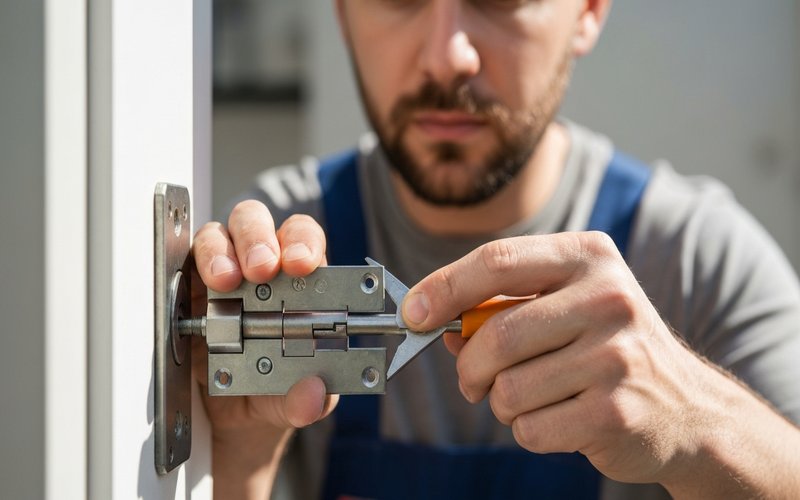
Spring Locksmith Maintenance Checklist
Spring is the perfect time to assess winter's impact on your locks and prepare your security systems for the warmer months ahead. The transition from cold to warm weather can reveal problems that developed during winter.
Deep Cleaning and Inspection
Start by thoroughly cleaning all exterior locks. Winter road salt, debris, and moisture accumulation can damage lock mechanisms. Use a soft brush to remove dirt and grime from around keyholes and lock faces. Wipe down door hardware with a damp cloth, then dry completely to prevent rust formation.
Inspect each lock for signs of corrosion, particularly on coastal properties or homes near Suffolk's waterways. Light surface rust can often be addressed with proper cleaning and lubrication, but deep corrosion may require lock replacement. Check for loose screws on strike plates, door handles, and deadbolts—winter's freeze-thaw cycles can loosen hardware over time.
Lubrication After Winter
Winter moisture and temperature changes can dry out lock lubricants. Apply a graphite-based lubricant specifically designed for locks—never use WD-40 or oil-based products, which attract dust and can gum up mechanisms. Insert the applicator nozzle directly into the keyway and apply sparingly. Work keys in and out several times to distribute the lubricant throughout the lock cylinder.
Pay special attention to deadbolts, which often receive less frequent use than handle locks. Operate each deadbolt multiple times to ensure smooth extension and retraction. If you encounter resistance, additional cleaning or professional service may be necessary.
Window Lock Assessment
Spring cleaning should include window locks throughout your home. Test each window lock to ensure proper engagement. Clean sliding tracks on windows and patio doors, removing accumulated dirt and debris. Apply silicone-based lubricant to sliding mechanisms for smooth operation.
Replace any cracked or damaged window locks immediately—these often-overlooked security points become more vulnerable during spring and summer when windows are frequently opened.
Summer Security System Preparation
Suffolk's hot, humid summers create specific challenges for lock hardware and security systems. High humidity can cause swelling in wooden doors, affecting lock alignment and function.
Humidity and Lock Function
Monitor how your doors fit within their frames during humid weather. If locks become difficult to engage, your door may have swollen due to moisture absorption. This is particularly common with wooden exterior doors. Rather than forcing locks, address the underlying door alignment issue.
Check weatherstripping around exterior doors. Damaged weatherstripping allows moisture infiltration, which can damage both the door and lock mechanisms. Replace worn weatherstripping to maintain proper seals and prevent humidity-related lock problems.
Vacation Security Preparation
Summer vacation season requires additional security measures. Before traveling, test all locks throughout your home. Ensure spare keys are properly distributed to trusted neighbors or family members. Consider having a professional locksmith inspect high-security locks and rekey locks if you've recently moved or if key control has been compromised.
This is also an excellent time to evaluate smart lock systems. If you've been considering upgrading to keyless entry, summer installations allow time to familiarize yourself with the system before winter weather arrives.
Garage Door Lock Maintenance
Garage security often suffers during summer months when these spaces see increased activity. Lubricate garage door locks, hinges, and tracks. Test emergency release mechanisms to ensure they function properly. If you use a garage door opener, replace batteries in remotes and keypads, and test auto-reverse safety features.
Fall Preparation for Winter Weather
Fall maintenance focuses on preparing your locks and security systems for winter's harsh conditions. This preventive approach prevents cold-weather lockouts and frozen lock emergencies.
Pre-Winter Lock Inspection
Conduct a comprehensive inspection of all exterior locks before temperatures drop. Look for any damage, wear, or malfunction that could worsen in freezing conditions. Address these issues while weather permits easier repairs.
Test all keys in their respective locks. Keys that show resistance during mild weather will likely cause problems when temperatures drop. If keys stick or require excessive force, have locks serviced or rekeyed before winter arrives.
Weatherproofing Exterior Locks
Install or replace lock covers on exterior deadbolts and padlocks. These inexpensive covers prevent moisture and debris from entering lock mechanisms, significantly reducing freeze-related problems. For exposed padlocks on sheds or gates, consider upgrading to weather-resistant models designed for outdoor use.
Apply a protective coating of graphite lubricant to all exterior locks. This creates a moisture barrier within the lock cylinder, preventing ice formation that can jam mechanisms or break keys.
Door and Frame Adjustment
Cooler fall temperatures cause materials to contract. Check door alignment within frames—misaligned doors stress lock mechanisms and can lead to failure. Adjust strike plates if necessary to ensure proper lock engagement without forcing. Tighten all hardware, as thermal contraction can loosen screws and bolts.
Examine door closers on storm doors and security doors. Adjust closing speed and latching force for optimal performance. Properly adjusted closers ensure doors seal completely, keeping cold air out and reducing stress on lock hardware.
Winter Lock Care and Emergency Prevention
Winter presents the greatest challenges for lock hardware in Suffolk. Freezing temperatures, ice accumulation, and increased heating costs all affect lock performance.
Preventing Frozen Locks
Frozen locks are among the most common winter locksmith emergencies. Prevent freezing by keeping locks lubricated with graphite-based products throughout winter months. Never use water-based lubricants, which can freeze inside lock mechanisms.
If you discover a frozen lock, never force the key—this commonly results in broken keys stuck in cylinders, requiring emergency locksmith service. Instead, warm the key with your hands or a lighter (carefully), then insert it gently into the lock. Body heat often provides sufficient warmth to melt ice without damaging mechanisms.
Consider keeping a lock de-icer spray in your vehicle, but use it sparingly as these products can damage lock components with repeated use. A better long-term solution involves proper weatherproofing and regular lubrication.
Indoor Lock Maintenance
While exterior locks receive the most attention, don't neglect interior locks during winter. Heated homes can become quite dry, which affects lock lubricants. Test interior door locks, especially bedroom and bathroom privacy locks that see regular use. Replace batteries in electronic locks—cold weather drains batteries faster than moderate temperatures.
Storm Door and Gate Security
Winter storms can damage unsecured gates, fences, and storm doors. Ensure all latches and locks on these secondary security barriers function properly. Lubricate hinges and springs to prevent freeze-related failure. Consider removing decorative padlocks from gates if they're not necessary for security, as these are particularly vulnerable to freeze damage.
Year-Round Lock Maintenance Best Practices
Beyond seasonal tasks, certain maintenance practices should be performed consistently throughout the year to maximize lock longevity and security.
Regular Lock Testing
Make lock testing part of your monthly home maintenance routine. Operate every lock in your home at least once monthly. This simple practice identifies problems early, before they become emergencies. Pay attention to any changes in how locks feel—increased resistance, grinding sounds, or loose handles all indicate developing issues.
Test deadbolts from both interior and exterior sides. Ensure smooth operation without binding or sticking. Check that keys turn easily and completely in all positions. Any key that requires excessive force or doesn't turn smoothly needs attention.
Key Management and Duplication
Examine your keys regularly for signs of wear. Bent, worn, or damaged keys should be replaced immediately—using damaged keys accelerates lock wear and increases the risk of keys breaking inside locks. Have keys duplicated by professional locksmiths rather than discount key-cutting services, as improperly cut keys damage lock cylinders.
Implement a key control system for your household. Know how many copies of each key exist and who possesses them. If you've given keys to contractors, housekeepers, or former residents, consider rekeying locks to maintain security. Modern homes with multiple family members often benefit from masterkey systems that provide appropriate access levels while maintaining overall security.
Lock Hardware Tightening
Quarterly, check all visible screws and bolts on locks, handles, and strike plates. Tighten any loose hardware using appropriate screwdrivers—power tools can strip screws or damage lock housings. Loose locks not only compromise security but also increase internal wear on mechanisms.
For locks that consistently loosen, apply a small amount of thread-locking compound to screws before reinstalling. This prevents vibration-related loosening while still allowing future removal for maintenance or replacement.
Professional Lock Inspections
Even with diligent DIY maintenance, professional locksmith inspections provide value. Schedule annual professional inspections for high-security locks, commercial-grade hardware, and electronic access systems. Professional locksmiths identify wear patterns and potential failures before they occur, saving money on emergency services.
Professional inspections are particularly important for rental properties, businesses, or homes with elderly residents. These situations require absolute reliability from security systems, making preventive professional service essential.
Smart Lock and Electronic System Maintenance
Modern homes increasingly rely on electronic and smart lock systems, which require specific maintenance approaches beyond traditional mechanical locks.
Battery Replacement Schedule
Electronic locks depend on battery power. Establish a regular battery replacement schedule rather than waiting for low-battery warnings. Most electronic locks should have batteries replaced every 6-12 months, depending on usage frequency. Keep spare batteries on hand—running out of power during a cold winter night creates an uncomfortable situation.
Use high-quality alkaline or lithium batteries in electronic locks. Cheap batteries can leak, damaging expensive electronic components. For critical access points, consider lithium batteries, which perform better in extreme temperatures and last longer than alkaline alternatives.
Software and Firmware Updates
Smart locks connected to home automation systems require software updates. Check manufacturers' websites quarterly for firmware updates that improve security, fix bugs, or add features. Enable automatic updates if your system supports this function, ensuring your locks always run current software.
Review access codes and digital keys seasonally. Remove access for individuals who no longer require entry to your property. Change master codes annually as a security precaution, even if you haven't experienced security concerns.
Electronic Component Cleaning
Electronic locks feature sensitive components requiring careful cleaning. Use compressed air to remove dust from keypads and sensors. Wipe touchscreens with microfiber cloths slightly dampened with screen-safe cleaner. Never spray liquids directly onto electronic components, as moisture infiltration can cause expensive damage.
Inspect battery compartments for corrosion, which appears as white or green deposits around battery contacts. Clean minor corrosion with a cotton swab dipped in white vinegar, then dry thoroughly before installing new batteries. Significant corrosion may require professional service or component replacement.
Security Upgrades Worth Considering
Seasonal maintenance provides an excellent opportunity to evaluate whether your current locks meet your security needs or if upgrades would better protect your property.
High-Security Lock Systems
Standard residential locks provide basic security but can be vulnerable to picking, bumping, or forced entry. High-security locks feature pick-resistant cylinders, hardened components, and patented key control systems. These upgrades significantly improve home security while requiring similar maintenance to standard locks.
Consider high-security deadbolts for main entry doors, particularly if you live in higher-crime areas or own valuable property. While more expensive initially, these locks provide superior protection and typically last longer than standard residential hardware.
Smart Home Integration
Modern smart locks integrate with home automation systems, security cameras, and voice assistants. These systems allow remote access control, activity logging, and temporary access codes for visitors or service providers. For families with children, elderly parents, or frequent guests, smart locks provide convenience and security.
When considering smart lock upgrades, evaluate your home's Wi-Fi coverage. Reliable connectivity is essential for remote access features. Consider professional installation for complex systems integrating multiple components.
Reinforced Strike Plates and Security Hardware
Even the best locks can fail if surrounding hardware is inadequate. Reinforced strike plates with 3-inch screws anchored into door frames significantly improve kick-in resistance. Door frame reinforcement kits prevent frame splitting during forced entry attempts.
These relatively inexpensive upgrades dramatically improve security when combined with quality locks. Many insurance companies offer premium discounts for homes with enhanced security hardware, potentially offsetting upgrade costs over time.
When to Call a Professional Locksmith
While homeowners can perform much lock maintenance independently, certain situations require professional locksmith expertise.
Signs Your Locks Need Professional Service
Call a professional locksmith if you experience keys that stick severely despite lubrication, locks that fail to engage properly, or visible damage to lock components. Grinding sounds, metal shavings around locks, or keys that suddenly become difficult to remove all indicate internal damage requiring professional attention.
If you've experienced a break-in attempt or notice signs of lock tampering, have a professional assess your security immediately. Attempted break-ins often damage locks in ways not immediately visible, compromising security even if entry wasn't achieved.
Professional Rekeying Services
Rekeying changes a lock's internal pins so it works with new keys while old keys no longer function. This service is essential when moving into a new home, after losing keys, or when key control has been compromised. Professional rekeying costs significantly less than replacing entire lock systems while providing complete security.
Many homeowners don't realize they should rekey locks after contractors complete work, when roommates move out, or after divorces or relationship changes. Any situation where key control may have been compromised warrants professional rekeying.
Master Key System Installation
Large homes, multi-generational households, or properties with rental units benefit from master key systems. These professionally installed systems allow different access levels—some keys open specific doors while master keys access all locks. Designing and installing master key systems requires professional expertise to ensure proper security and functionality.
Emergency Locksmith Situations and Prevention
Understanding common locksmith emergencies helps you prevent them through proper maintenance and preparation.
Lockout Prevention Strategies
Lockouts are the most common locksmith emergency. Prevent lockouts by establishing key management habits—always check for keys before closing self-locking doors. Install locks with interior thumb turns rather than key-only deadbolts to prevent inside lockouts. Consider keyless entry systems that eliminate key requirements entirely.
Hide-a-key products provide emergency access but must be used carefully. Never place spare keys in obvious locations like under doormats or above door frames. Instead, give spare keys to trusted neighbors or use weatherproof lockboxes in inconspicuous locations.
Broken Key Extraction
Keys break inside locks when forced against resistance or when worn keys finally fail. If a key breaks in a lock, avoid attempting extraction yourself unless a substantial portion protrudes. DIY extraction attempts often push broken key segments deeper, com